
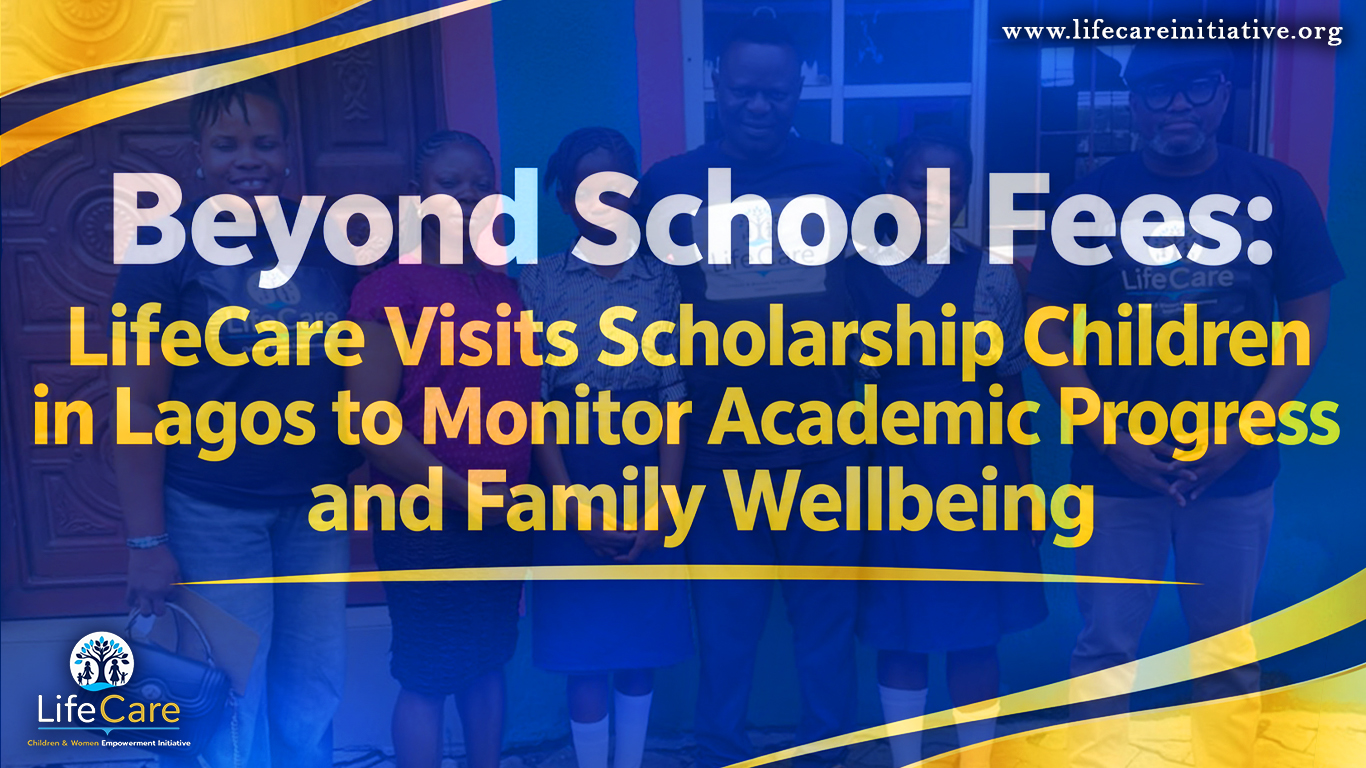
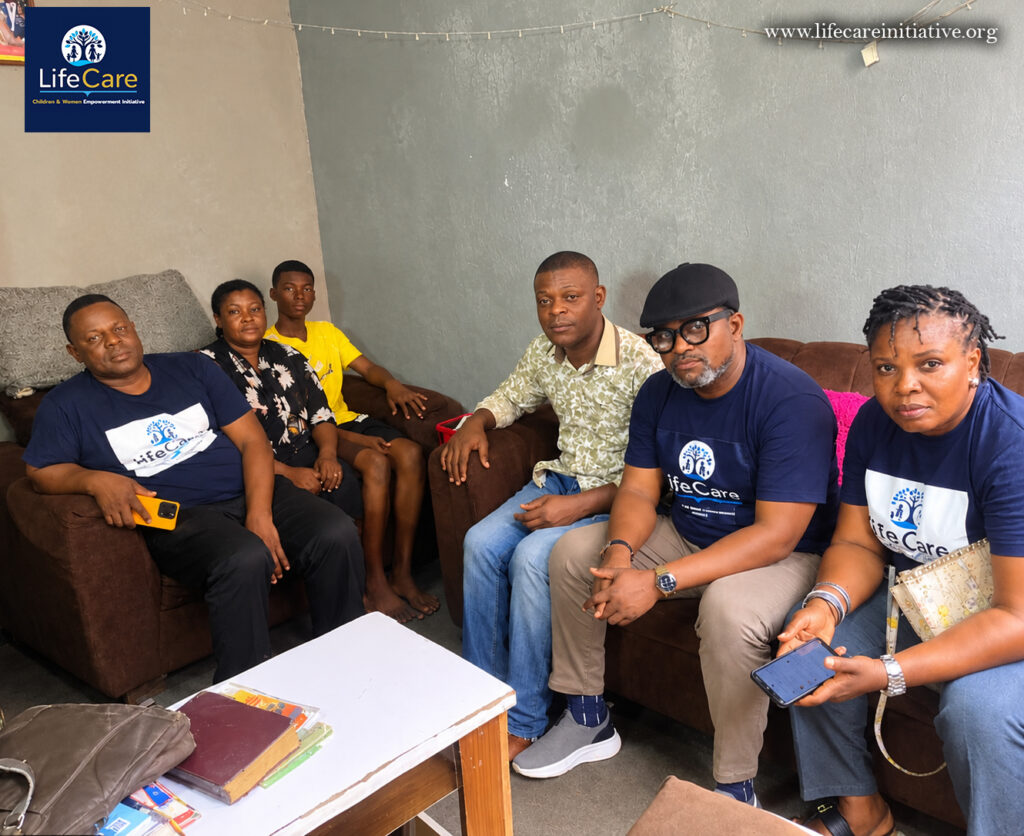
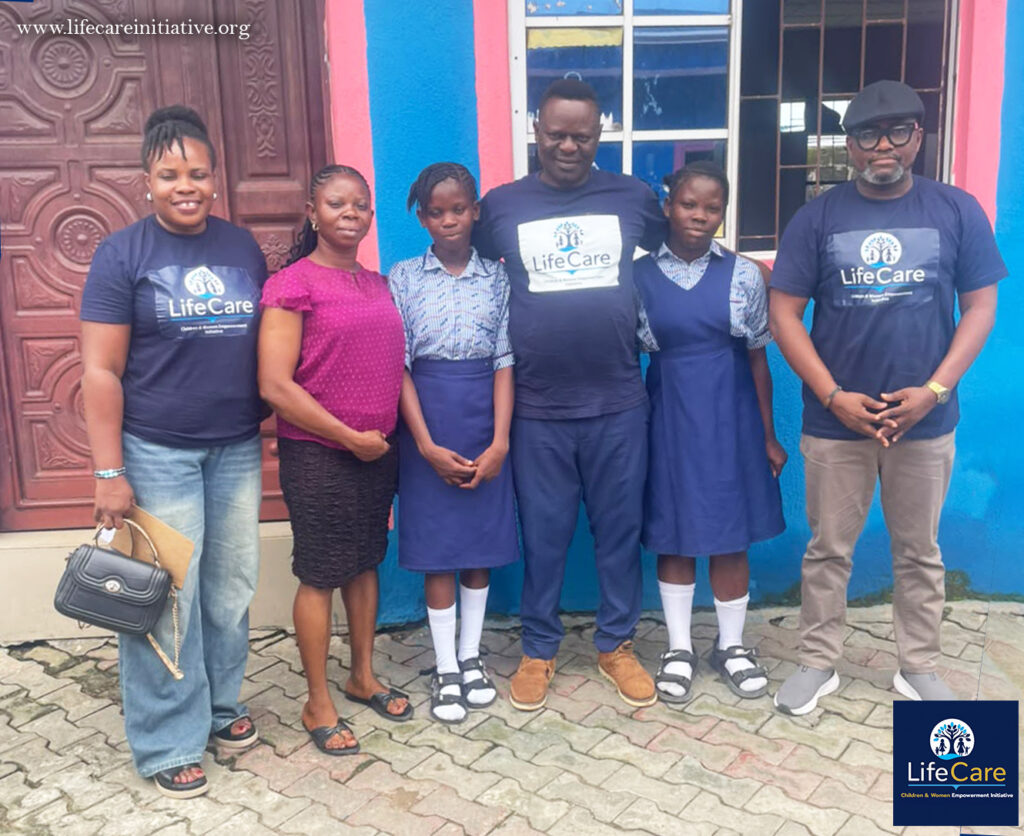
On November 9 and 11, 2026, our LifeCare team in Lagos visited five children currently receiving educational support through our Out-of-School Scholarship Project.
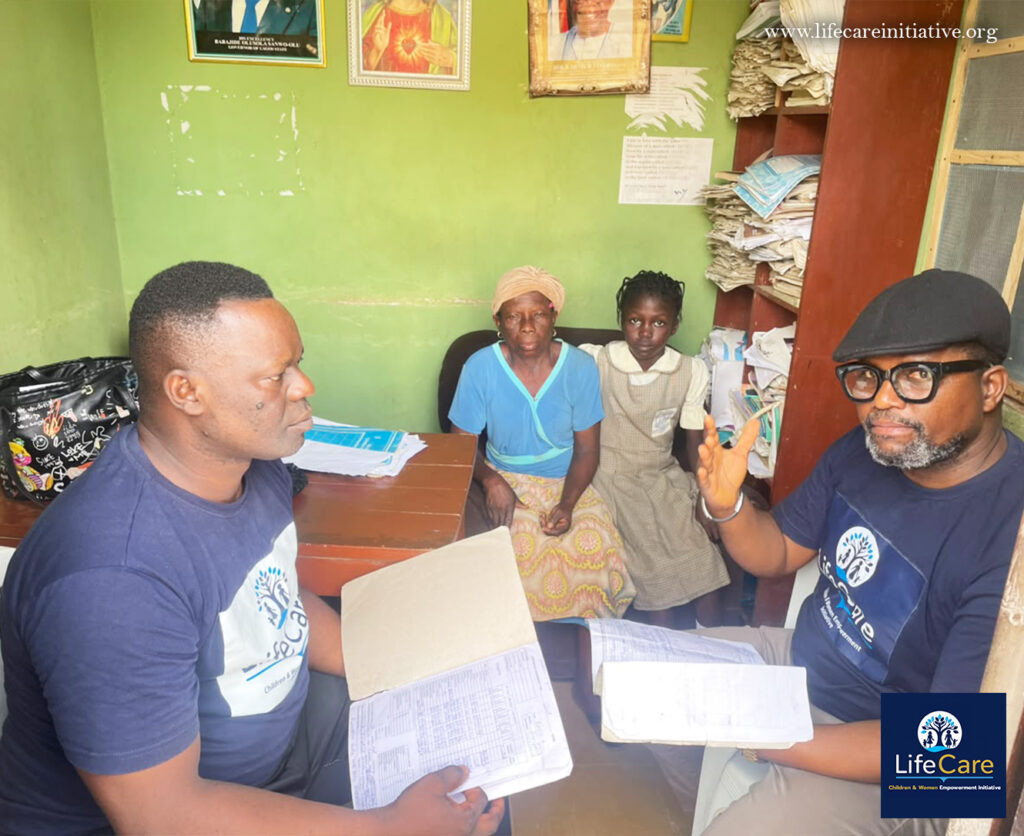
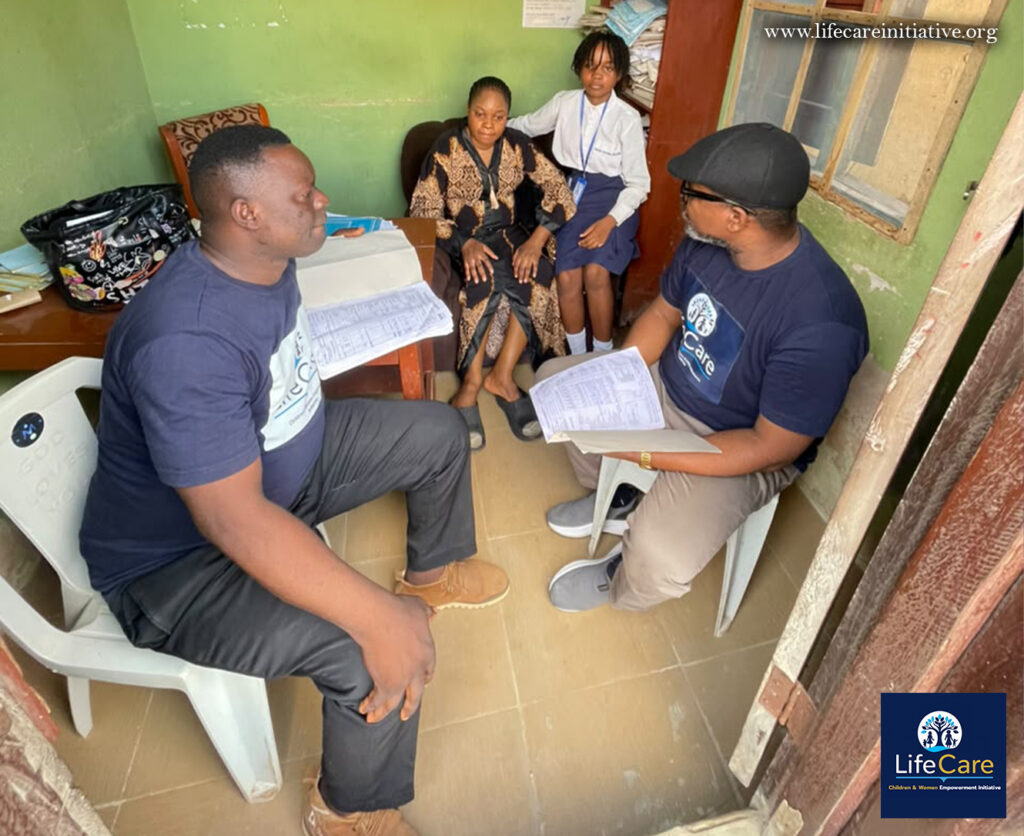
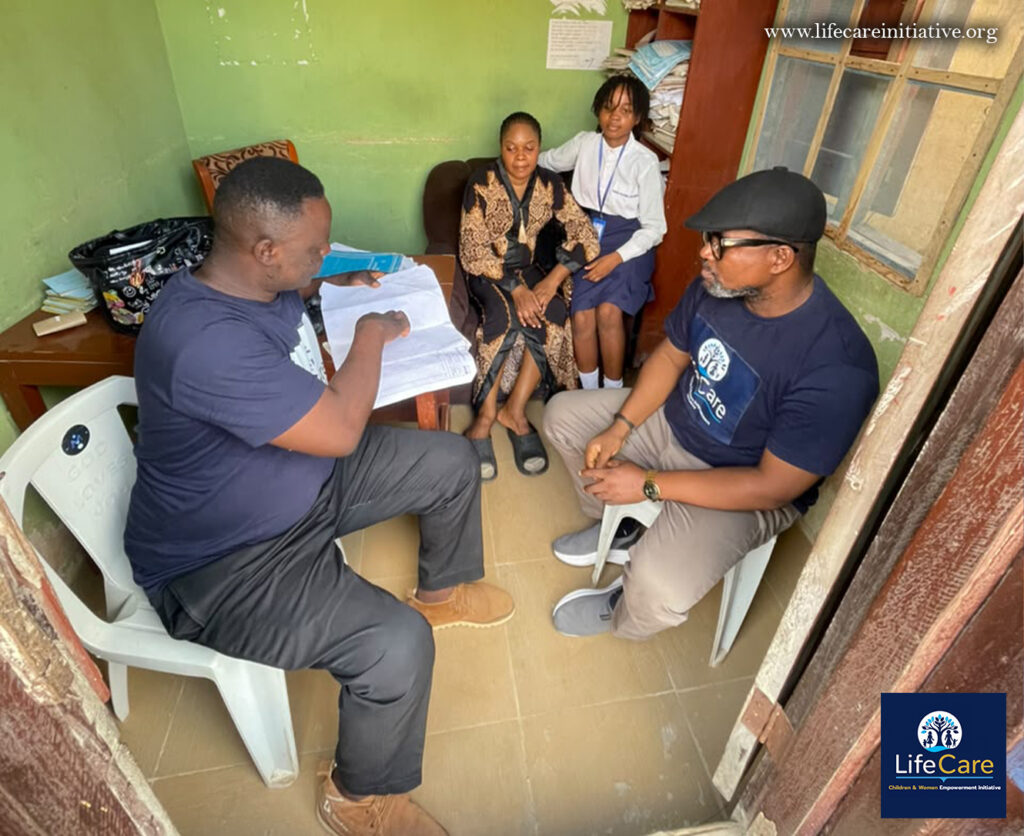
The visits were carried out by Kingsley Kalu, Social Worker; Rose Ume, Counselor; and James Onalo, Social Worker. The team visited the children’s schools and homes, spoke with their parents, guardians, and teachers, reviewed their academic results, and collected school fee receipts for our records.
Our goal was to understand how the children were doing in school and how things were going at home. Some of these children have been with LifeCare for several years, making it important for us to continue monitoring their progress and understanding their changing needs.
How the Children Are Doing in School
The reports received from the schools were encouraging. One of the children recently completed the Junior WAEC examinations and is awaiting his results before proceeding to senior secondary school. Unfortunately, he was ill during the visit and was receiving treatment at home. Our team visited him and spoke with his parents about his health and academic progress. Another student, currently in SS1, has continued to improve academically. Her mother and teachers shared positive reports about her progress. The team also learned that her two older sisters, who have completed their schooling, are now studying nursing.
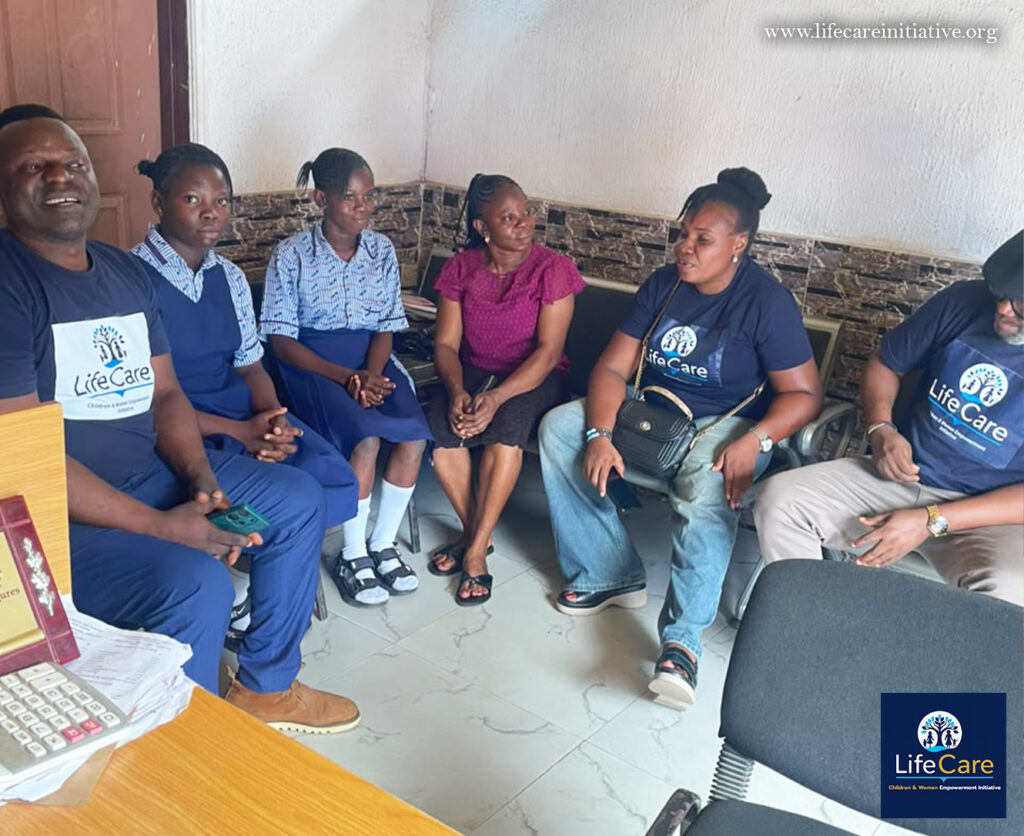
The team also visited two sisters enrolled in the scholarship program. Both girls have shown improvement in their academic performance. Their mother shared something interesting with the team. Alongside their education, the girls are learning how to braid hair. They now braid each other’s hair as well as their mother’s. According to their mother, this has helped the family save money on hairdressing while giving the girls a useful skill they can continue developing. It was encouraging to hear that the children are not only making progress in school but are also acquiring practical skills outside the classroom.
A Family That Needs More Support
One of the visits brought attention to a family situation that requires further follow-up. A young girl who recently joined our scholarship program is being raised by her grandmother. The girl is currently in Basic 4 and has been performing very well academically. Her second- and third-term results showed averages of 91% and 86%, respectively. However, things have been difficult at home. Her grandmother previously operated a small foodstuff business but has been unable to continue due to a lack of capital. She now collects and sells plastic bottles to help provide food and pay rent.
During the visit, the grandmother spoke with our social workers about the difficulties she has been facing while caring for her granddaughter. The team provided ₦3,000 to support the family’s immediate feeding needs and discussed the importance of maintaining regular contact with them. Our social workers have proposed visiting the family at least once a month to monitor their situation and assess what additional assistance may be possible. The girl’s academic performance is encouraging, but her home situation is something we cannot ignore. We want her to continue doing well in school without her family’s financial difficulties becoming another obstacle to her education.
Why We Visit the Families
LifeCare’s Out-of-School Scholarship Project supports children from families who are unable to afford their education. However, our responsibility does not end when school fees are paid. We need to know whether the children are attending school, how they are performing academically, whether their school fees and other educational needs have been addressed, and how their families are managing. During these visits, our team also checks on the children’s health, home circumstances, and any concerns raised by their parents or guardians. Sometimes, these visits bring encouraging news. Other times, we discover challenges that require more attention. Both are important because they help us understand each child’s circumstances and determine how best to support them.
What Happens Next?
The team collected the available academic results and school fee payment receipts for documentation. We will continue monitoring the children’s academic progress, following up on the child who was receiving medical treatment, and reviewing the needs identified during the family visits. Particular attention will be given to the grandmother caring for her granddaughter, whose livelihood situation requires further assessment. Another round of visits is planned for December, before the children close for the Christmas holidays.
We appreciate Kingsley Kalu, Rose Ume, and James Onalo for carrying out these visits and taking the time to engage with the children, their families, and their teachers.
We are encouraged by the progress the children are making and will continue doing what we can to support them.
LCCWEI — Changing lives, one person at a time.